specifying fabric · stage curtains · theatrical velour
Stage Velour Weights Explained: 15 oz to 25 oz
A working guide to stage velour weight: what ounces per yard means, where 15, 21 to 23, and 25 oz cloth belongs, and notes on width, IFR, and sampling.

Stage velour is specified first by weight, and weight is where most drapery questions start. It drives opacity, drape, acoustic behavior, cost per yard, and the load your rigging carries. Get the weight class right and the rest of the spec (cloth, width, color) follows.
Fred Krieger Fabrics stocks theatrical velour from 15 oz to 25 oz, sold by the yard and by the bolt. This guide covers what the numbers mean and where each stocked weight belongs. The full range is at theatrical velour.
What the weight number means
Velour weight is stated in ounces per linear yard of the pile cloth. A 25 oz velour means one running yard of the goods, at its full width, weighs 25 ounces. Heavier cloth generally carries a denser, deeper pile, and the pile is what buys you opacity, light absorption, and acoustic damping.
Two cautions. First, linear-yard weight depends on width: a 15 oz cloth at 62 inches is not directly comparable to a 15 oz cloth at 54 inches, because the wider goods spread the same weight over more area. Second, weight is only part of opacity. Sewn fullness, lining, and pile density all contribute, and those are decisions for your workroom.
15 oz: legs, borders, and travelers on a budget
The 15 oz class is the entry point for masking. It hangs well, absorbs light the way a velour should, and keeps cost down across the large yardages that legs, borders, and travelers consume.
- Odyssey Velour 15 oz: a woven velour, 54 inches wide, stocked in black. A straightforward masking cloth.
- Prism Velour 15 oz: an IFR polyester knit, 62 inches wide, in 14 colorways. The extra width helps on wide travelers, and the color range covers work beyond plain masking.
- Carmel Velour: a knit velour, 60 inches wide, stocked in black at 15 oz and again at 23 oz, covered below.
At this weight, expect your workroom to lean on fullness for opacity wherever fixtures sit close behind the goods.
21 to 23 oz: masking with better opacity
The middle class is the workhorse. It masks more reliably against backlight, sits stiller in air movement, and reads deeper under front light, without the pipe weight of a full house-curtain cloth.
- Sophia Velour 21 oz: a knit velour, 54 inches wide, in 5 colorways (Black, Navy, Red, Merlot, Hyacinth), with the density for complete opacity and useful acoustic dampening.
- Prism Velour 22 oz: an IFR polyester knit, 62 inches wide, in 14 colorways. Its named colors overlap the 15 oz Prism range (both list Black, Crimson, Grey, and Gold, among others), so a venue can match a color across the two weights.
- Carmel Velour, Black 23 oz: the heavier of the two Carmel blacks, on a 60 inch width.
25 oz: house curtains and acoustic drapery
Epic Velour 25 oz is the heavy class in stock: a woven velour, 54 inches wide, in 17 colorways. Its high-density construction gives total opacity and real acoustic damping, which is why this weight is specified for main drapes, grand drapes, and acoustic drapery in performance halls and studios. Color depth matters here too. A house curtain is a color decision as much as a technical one, and Epic runs from Black and Bankers Grey through Gold, Merlot, and Ruby.
Weight has a rigging cost. A 25 oz cloth sewn at full fullness puts a substantial load on a pipe or track, so confirm capacity with whoever maintains your rigging before committing to the heavy class.
Width and IFR considerations
Stocked widths run 54, 60, and 62 inches depending on the cloth. Width sets the seam count on a finished piece: wider goods mean fewer vertical seams per panel, less sewing labor, and fewer places for a seam shadow to read under light. Give your workroom the exact width when they figure yardage, because a spec written for 54 inch goods does not transfer cleanly to 62 inch goods.
On flammability: both Prism weights are inherently flame retardant (IFR) polyester, meaning the fiber itself resists flame rather than relying on a topical treatment that can wash or wear out over time. Renaissance Velour, an IFR polyester knit at 62 inches made partly from post-consumer recycled polyester, is another IFR option in the range. For the certified fabrics, flame-retardant certificates are supplied on request, including NFPA 701, CAN/ULC-S109, and California Title 19. If a fabric's own listing does not state FR or IFR, ask before specifying it anywhere code requires certification.
How to sample
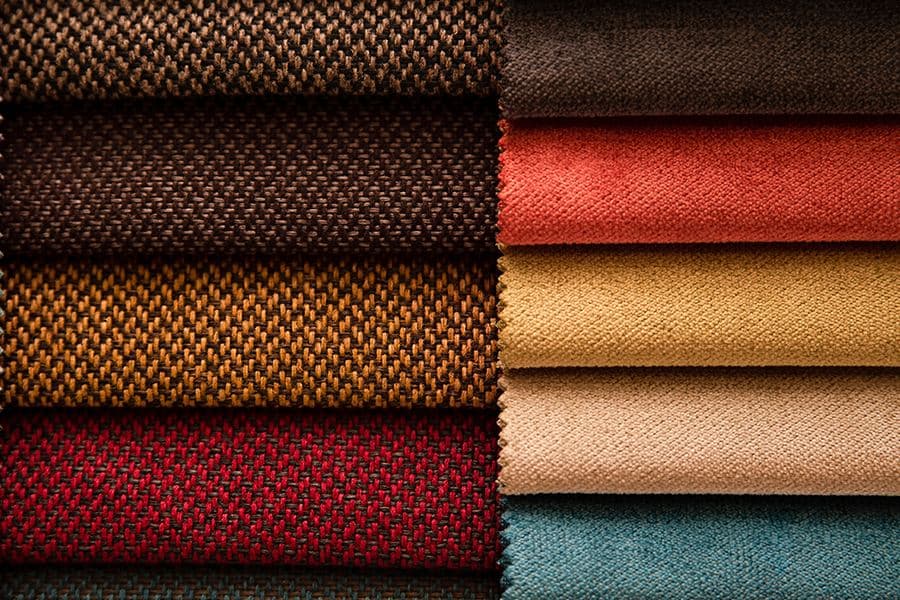
Do not choose velour from a screen. Pile cloth reads differently in hand and under stage light than in a photograph. Request sample cards, then:
- View the samples under your own stage lighting, at performance levels, from the house.
- Compare blacks against each other. Different constructions absorb light differently, and two blacks side by side can read as different colors.
- Crush the pile with a thumb and watch the recovery, especially for goods that will be folded and trucked on a road schedule.
- Weigh the hand: the difference between 15 oz and 25 oz is obvious once you hold both.
One framing note: we supply the fabric by the yard and by the bolt, not finished sewn curtains. Bring your workroom or fabricator into the conversation early for fullness, finishes, and hardware questions.
Sample cards and specs are free on request, and quotes cover volume pricing and made-to-measure needs. Contact us for samples or a quote on any velour in stock.